

UNICEF is expanding its experimental CryptoFund beyond bitcoin and ether to also test stablecoins, to see whether digital dollar tokens can provide faster and more predictable funding in humanitarian aid
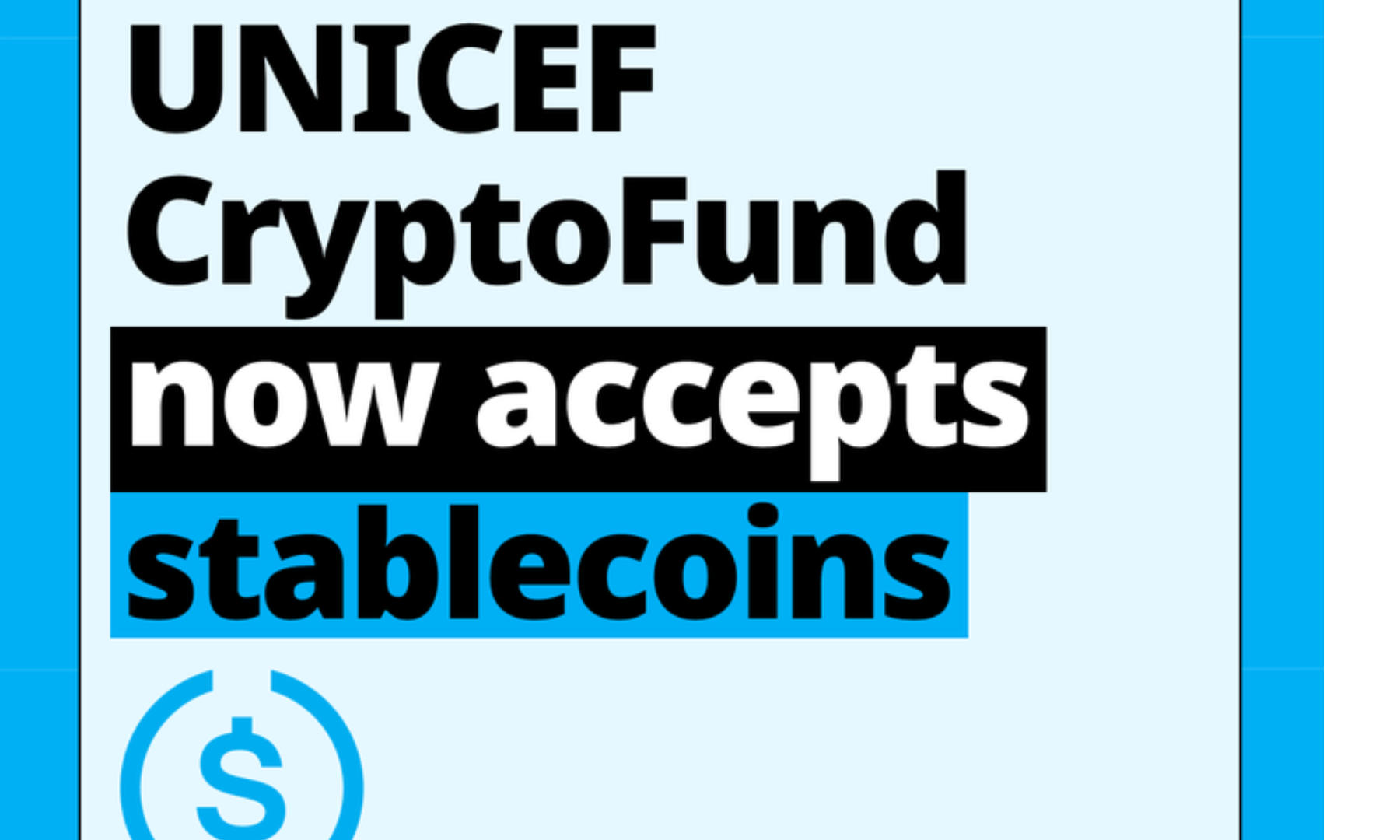
Illustration: UNICEF Innovation
When UNICEF launched the Cryptocurrency Fund in 2019, the organization became the first in the UN system to receive, hold and disburse cryptocurrency directly to startups, without first switching to traditional currency. Placed under the UNICEF Innovation Fund, the Fund is used to support early-stage technologies in emerging markets, with particular emphasis on open source solutions for the benefit of children and young people.
When CryptoFund was established, its main focus was to use bitcoin and ether as “end-to-end” currencies from donor to recipient, to test whether blockchains could provide faster and more transparent money flows than traditional systems. The fund was used for small seed investments in companies working on connectivity, digital commons and health and education tools, where a point was that the transactions could be followed openly on the chain.
At the same time, the experiences with bitcoin and ether have clarified challenges related to exchange rate volatility and currency exchange for teams in the field. It is this tension — between technological advantages and economic unpredictability — that UNICEF is now attempting to address by taking stablecoins into its CryptoFund toolbox.
In recent articles and in social media, UNICEF highlights stablecoins as a possible compromise: they should preserve transparency and efficiency from the blockchain, but without the same price fluctuations as bitcoin and ether. The stablecoin USDC is highlighted as a concrete example of a digital dollar token that can be used in payments to projects, while balances retain their value in dollar terms to a greater extent.
The aim is to test how such digital dollars can work in practice in humanitarian aid, including in terms of speed, cost, local conversion and reporting. For UNICEF, this is a continuation of an ongoing experiment, not a full-scale shift, in which CryptoFund is used as a laboratory for new forms of funding towards innovation projects.
UNICEF has closely linked CryptoFund to open source work, both as a requirement for the companies receiving funds and as justification for donors. The projects that receive support will develop technologies that can be reused and built on by others, and that address the specific needs of children and young people — from digital identity solutions to platforms for distance learning.
By trying out stablecoins in the same framework, UNICEF can gather experiences on how more stable digital money affects everything from budget management to risk management in such projects. This type of learning is highlighted as a key objective: CryptoFund is described as a tool to explore what a “digitally funded” future could mean for UNICEF's work with children and young people.
Although CryptoFund is still described as experimental, UNICEF's use of stablecoins can be interpreted as a signal to other humanitarian and multilateral actors considering digital money. By testing stablecoins in a limited but concrete operational environment — investments and grants for technology projects — the organization brings out both opportunities and bottlenecks before such solutions can be scaled more broadly.
For finance and technology communities that follow stablecoins, the question will be how the experience of a fund that reports openly and works with open source can affect standards of transparency and risk management in digital aid financing. For UNICEF, it is simultaneously about sticking to its mandate of delivering for children and young people, while testing new tools in a field where both technology and regulation are rapidly changing.

