
In Copenhagen on Thursday, a group of Nordic NGOs gather for a full morning of something that rarely happens in the blockchain world: they go behind the buzzwords and test whether the technology can actually make their daily work easier, safer and more transparent.
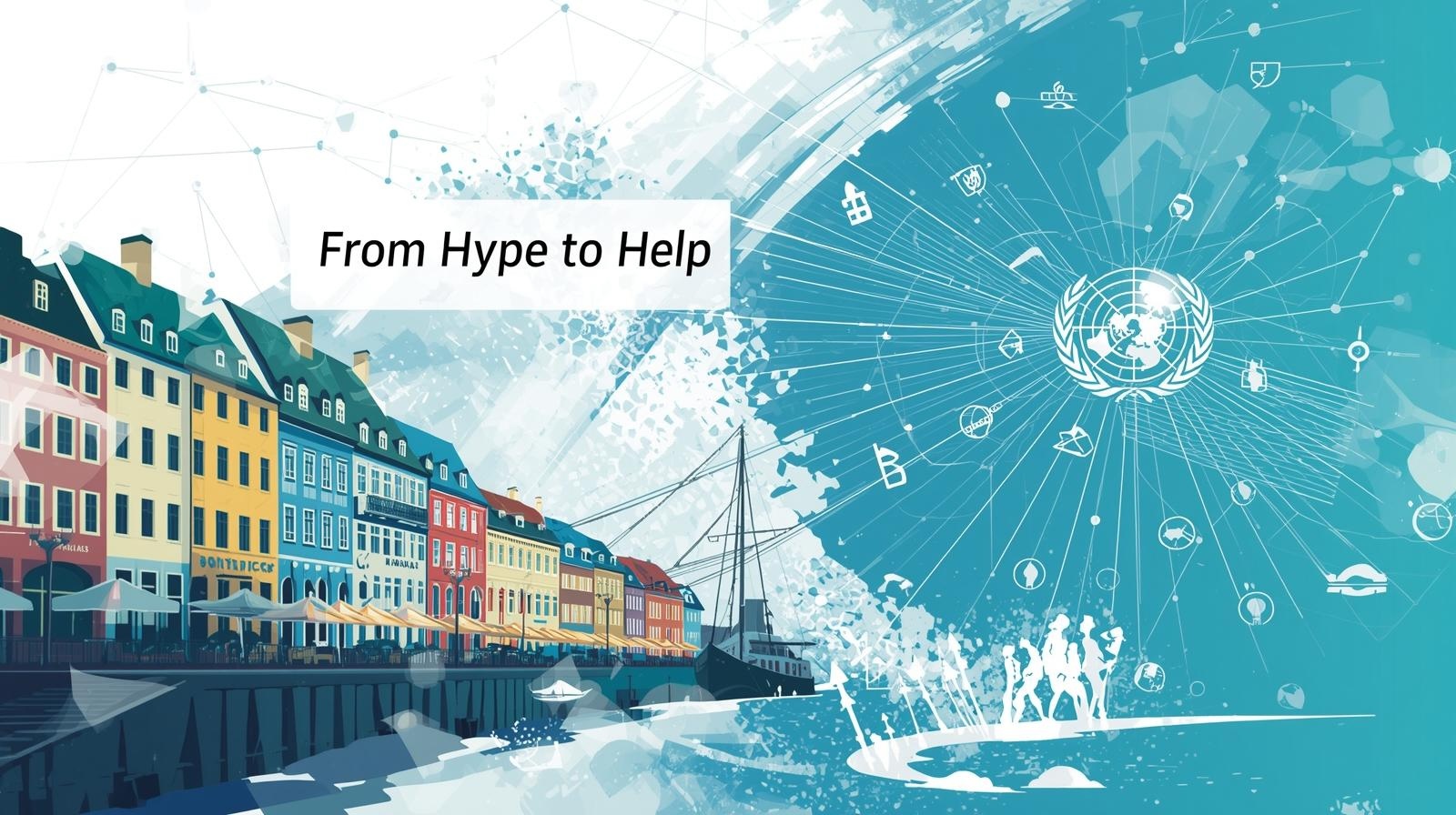
The Nordic Blockchain Association is hosting the workshop together with UNDP AltFinLab, Stellar Development Foundation, ADVORA Law Firm and Aryze for a review of practical application areas.
Rather than starting from “blockchain solves everything,” the sessions are geared toward critical tasks: end-to-end traceability of donations, better reporting to donors and regulators, handling cross-border payments, and documenting ESG impact in ways that can be audited.
The program is structured around NGO-focused case work rather than theory. Topics include where blockchain solutions can realistically reduce friction and risk in existing NGO workflows, where they only add complexity, how “on-chain money” and wallets actually work in practice for employees, partners and beneficiaries, and what it takes to integrate such tools into existing systems.
Participants also look at organizational assumptions: what skills and external partners are needed, what data and processes never have to on a public blockchain, and how to translate all this into a concrete, prioritized list of next steps rather than yet a generic innovation vision.
A dedicated legal and compliance track focuses on issues that typically make NGOs unsafe: KYC and sanction screening for cross-border transfers, data protection and privacy for recipients, accounting management of digital assets, and how to avoid pilot projects that fall outside internal risk networks.
Discussions in smaller groups then bring everything back to the NGO's own context: how concretely can these tools be integrated into existing systems, what governance changes will they require, and where are the limits when it comes to storing or exposing sensitive information.
The promise to participants is modest but concrete: go home with a clear picture of where blockchain can add value — and a prioritized list of next steps to explore or discard.
What is happening at this Copenhagen event is representative of a broader mood change around “crypto for good” in Europe. Just a day earlier in London, Greengage hosted an all-day “Crypto For Good” conference featuring leaders from the crypto, finance, politics, philanthropy and nonprofit sectors. The topic was how blockchain and digital assets can drive social impact, from humanitarian aid delivery and carbon markets to new models of charity and financial inclusion.
Both collections challenge the same stereotype: that crypto is either purely speculative or inherently harmful, by highlighting ethical, sustainable initiatives that are already being tested in practice.
Last November, UNDP AltFinLab and the Blockchain for Good Alliance hosted a two-day Blockchain Impact Forum in Copenhagen. The conference days at UN City and T13 Nordhavn focused on aligning blockchain infrastructure with government mandates and the Sustainable Development Goals.
The forum brought together policymakers, UN practitioners, technologists and impact investors to showcase SDG Blockchain Accelerator pilot projects. Topics range from climate action and inclusive finance to digital identity and transparent aid delivery — many of the same areas that NGOs are discussing today.
For the Nordic Blockchain Association, the workshop fits squarely into a longer vision of building and strengthening the region's blockchain ecosystem across industry, politicians and civil society.
After years of grand conferences and policy debates, bringing NGOs into a focused, small-space format marks a shift from awareness-raising to co-designing real solutions — and testing whether Nordic strengths in trust, digital infrastructure and sustainability can be translated into credible blockchain-enabled services.
London's Crypto For Good conference and last year's Blockchain Impact Forum show that “blockchain for the public good” has become a serious item on global agendas. This week's NGO workshop in Copenhagen offers a concrete glimpse of how that agenda is breaking through in practice: in budget accounting, donor audits, cross-border payment flows and ESG reports.
For the NGOs in the space, it's no longer about whether blockchain has a role, but whether it can measurably improve the fundamentals - accountability, efficiency and trust.

