

A U.S. bill that will finally regulate the crypto markets has locked in a crucial question: How far should Congress go in banning yield on digital dollars, while claiming it will protect consumers and support innovation.
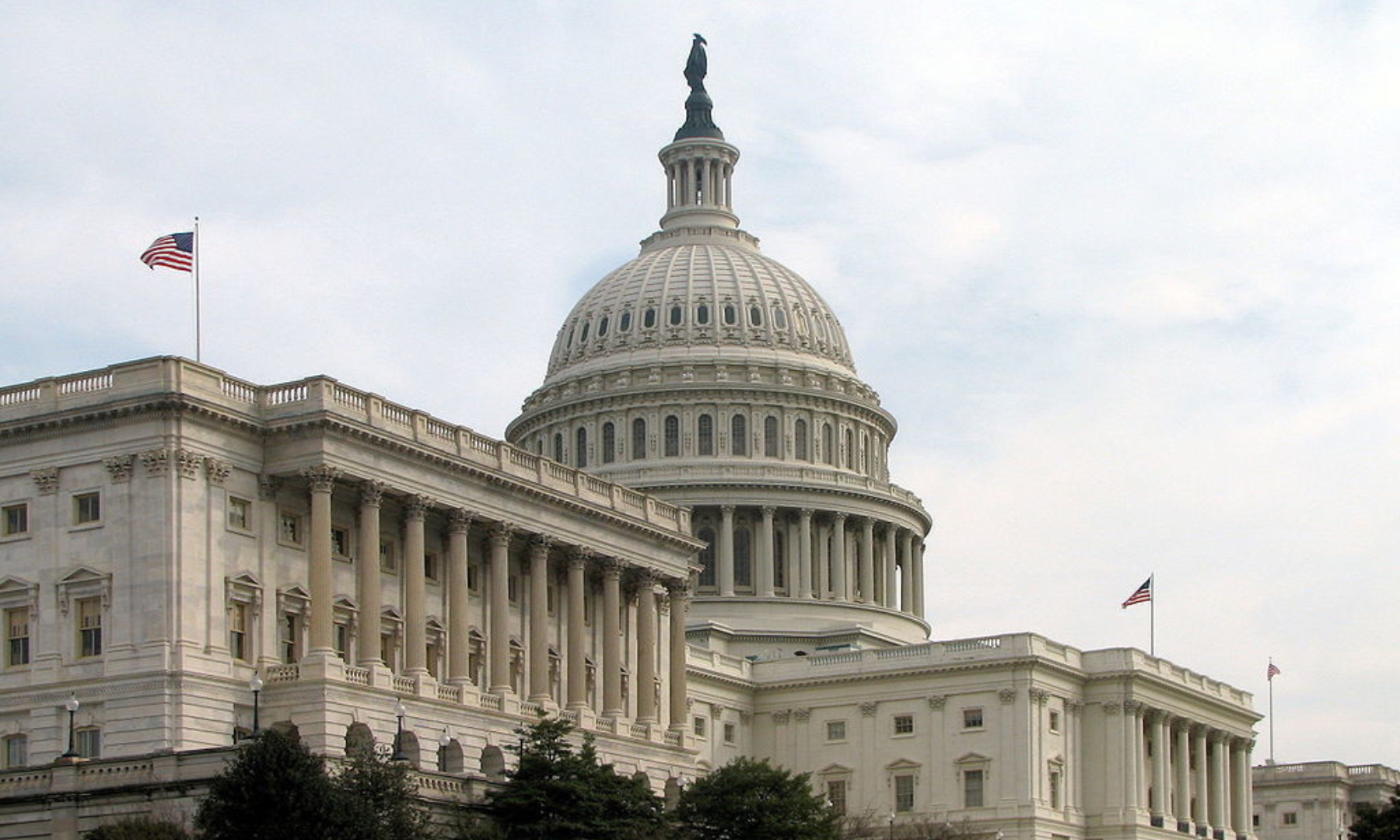
The Digital Asset Market CLARITY Act is designed to provide the United States with its first comprehensive regulatory framework for crypto markets. The bill is supposed to clarify when tokens are considered securities or commodities, impose requirements on exchanges and brokers, and place digital dollars into a framework written for U.S. banks rather than for foreign players.
After the latest draft received sharp criticism from major industry players, the Senate Banking Committee has postponed its scheduled consideration, making the timeline for the bill more uncertain. It highlights one technical clause as central — a ban on paying passive returns on digital dollars. That provision determines, in effect, whether ordinary users will ever get “savings account-like” returns on digital dollars, or whether that income stays with banks and the state
Yields on “payment‑stablecoins,” or digital dollars, may sound narrow, but this is directly about how much power banks retain over deposit-like products in a tokenised world. If regulated platforms can share a portion of the revenue from government securities with users holding fully secured tokens, stablecoins begin to resemble savings accounts on a blockchain. If they cannot, they remain primarily infrastructure for payments and trading, while established financial players retain the risk-free returns. The current Clarity draft clearly lands on the latter option, which is where much of the lobbying behind the scenes has been directed.
Last year's GENIUS Act created a new category in the federal regulations for stablecoins used for payments, “payment stablecoins.” The law requires issuers of these digital dollars to have full reserve notes in cash and short-term government securities, subject to bank-like solvency and money laundering rules. It also explicitly prohibits these issuers from paying interest to token holders, because lawmakers want such stablecoins to act as safe means of payment — not as unregulated deposit products that promise returns.
Behind the scenes, these reserves are placed in interest-bearing assets such as government securities and money market funds. The returns go to issuers, their banking partners and, via lower funding costs, to the U.S. Treasury Department -- not to those who actually hold the tokens in their wallets. GENIUS made it possible for intermediaries to share this income to some extent through rewards linked to stablecoin holdings, but at the same time laid the groundwork for a new law, CLARITY, to determine how far such schemes can go
CLARITY is intended to be the overarching framework for market structure: it distributes responsibilities between securities and commodities regulators and sets requirements for trading platforms, brokers and custodial managers handling digital assets. Within this larger package, the stablecoin section will harmonize GENIUS with the regulations of trading platforms, so that the treatment of returns and rewards is as similar as possible across both issuers and intermediaries.
The new Clarity draft draws a sharp line by prohibiting any kind of interest or return that is solely tied to holding a stablecoin used for payments. At the same time, rewards related to specific actions such as payments, staking or trading are still allowed. In practice, that means card-like perks and activity bonuses are still allowed. By contrast, a single, regulated product in which one holds fully hedged digital dollars and gets a portion of government securities returns would be beyond the reach of exchanges and apps subject to U.S. oversight.
Supporters in the banking system argue that closing for passive stablecoin returns closes a dangerous hole. They see such returns as deposit-like and warn that it can move large amounts off bank balances and into quasi‑banking products that fail to meet full bank requirements. Recent comments by Bank of America's chief executive gave this fear a concrete figure in the headlines, by suggesting that up to six trillion dollars in deposits could be moved over to high-interest-rate stablecoins if regulators do not “close the interest-payment loophole.”
By reinforcing the ban on passive stablecoin returns at the platform level, CLARITY largely responds to this requirement. The bill keeps fully secured payment tokens available as safe infrastructure, brings them under stronger oversight and reduces the risk of onchain‑dollars becoming direct competitors to bank deposits on the “risk-free” yield side. The trade-off is that any meaningful return is pushed into separate wrappers -- tokenized funds, government paper products and DeFi‑strategies. These will then exist alongside payment‑stablecoins and contribute to a significant distinction between secure payment infrastructure and products for users who want more than just digital cash.
Signals from major retail players such as Coinbase and Robinhood reflect different emphases rather than a single for- or against. Coinbase CEO Brian Armstrong has warned senators that the Clarity proposal, as written, would remove simple, regulated sharing of returns on payment stablecoins and push users toward more complex or offshore products if they want any dividends. His main argument is that “consumer protection” should not mean permanently shutting ordinary users out from secure income streams from assets such as government securities, when these are already lying in the backs of the tokens they hold
Robinhoodâ Chief Executive Vlad Tenev, who heads a brokerage house that already operates under traditional securities legislation, has urged Congress to get out of deadlocked fronts and adopt a national framework. He stresses that the absence of clear rules in itself harms users by restricting access to staking, some tokens and tokenized shares, which can actually be offered in Europe. For Tenev, a stable, predictable regime — even one that is strictly against passive stablecoin returns — is a necessary platform for responsible innovation and broader product access in the United States.
Taken together, GENIUS and CLARITY point towards a clear design for dollars on the blockchain. Digital dollars become pure means of payment: fully secured digital dollars without their own returns and with supervision at the bank level. Yields, where they exist, are pushed into adjacent products -- tokenized money market funds, tokens with government bonds at the bottom, and various credit products on the blockchain. These would then live under other rules and require users to actively choose products that involve increased complexity and risk
For ordinary users, this likely means a future of safer, audited digital dollars on large, regulated platforms. That would include activity-based rewards and clearly marked pathways into products with returns -- but without a simple “digital dollar savings account” that shares the government paper rate. For many, the choice will be between the simplicity of digital cash that offers no return, and the increased complexity and risk of wrappers designed to offer returns as one knows it from traditional finance.
For builders and fintech companies, the open question is whether the final text - now under renegotiation after the Senate postponed review - can balance fraud prevention and financial stability with room for transparent, easy-to-use ways to access secure returns. If it does not, it risks that the entire upside will remain with the established players, while users will only get the security that the new rules provide - not the return.
For a concrete walkthrough of what the CLARITY bill could actually mean for users, builders and banks, you can also read our side article showing how the rules play out in practice.
You have read what you can read for free. With an account you get unlimited access to all news and articles on kaupr.io — and become part of the network of investors, professionals and builders following onchain finance.

