Privacy coins stand out in the crypto market in 2026, driven by strong price developments in Zcash and Monero, among others, last year, as well as growing concerns about digital surveillance and transparency of transactions.
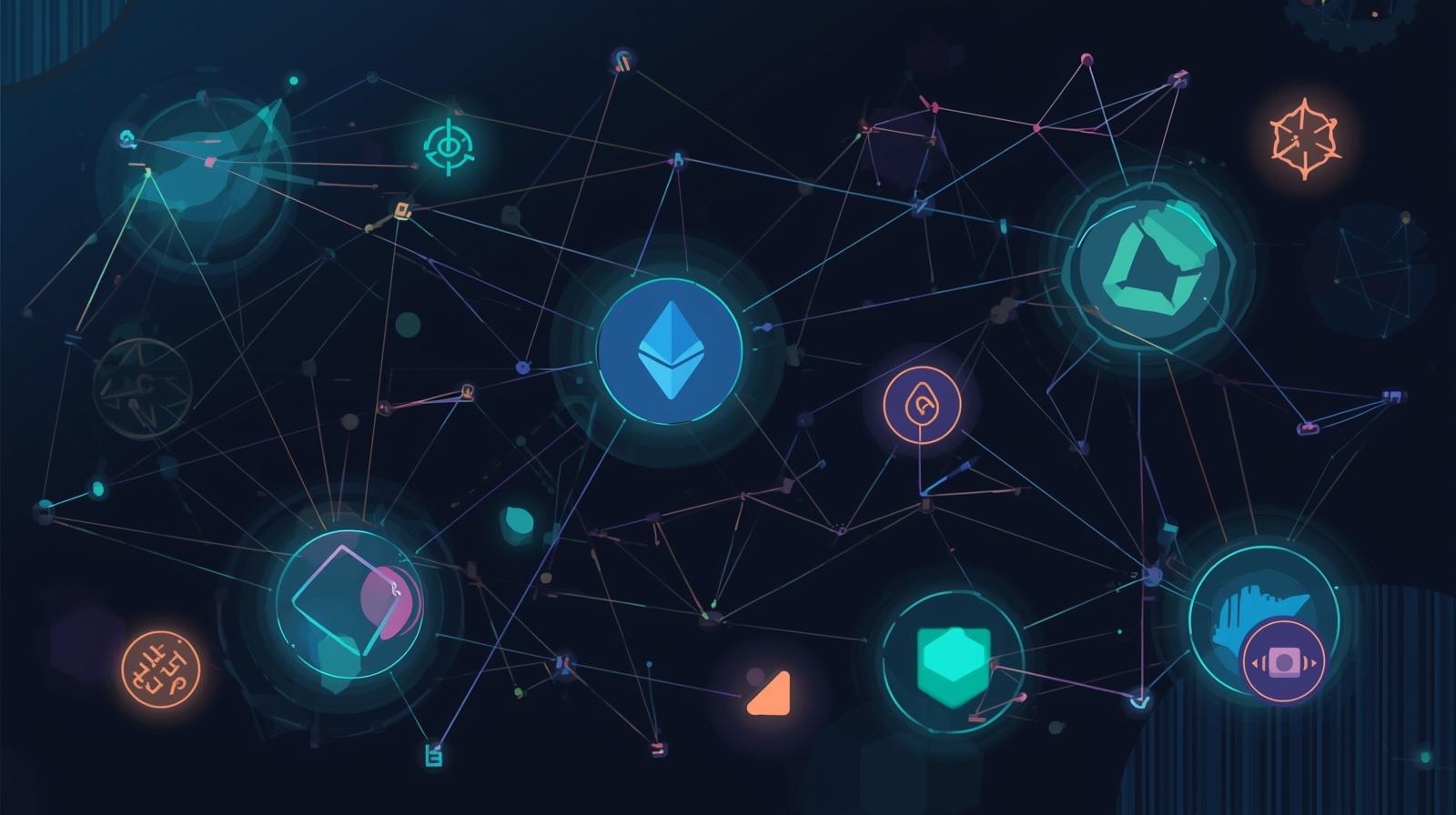
The crypto market is entering a phase where established assets such as Bitcoin and Ethereum are more closely linked to the traditional financial system. In parallel, a separate category of crypto assets — privacy coins — is getting renewed attention. In 2025, Zcash (ZEC) and Monero (XMR), among others, had a sharp rise in price. That has reinforced the impression that privacy, which has long been an important part of the crypto field, has now gained a renewed topicality among investors.
The open nature of blockchains has long been referred to as a strength, but is increasingly seen as a vulnerability for users. Analytical tools powered by artificial intelligence make it possible to link ever more public addresses to identities, weakening the practical anonymity of major cryptocurrencies. For wealthy users, it is pointed out that full transparency about on‑chain movements can also pose a security risk, and this is highlighted as an explanation for the increased interest in more shielded solutions.
Stricter regulation in Europe is a central part of the picture. The new EU Anti-Money Laundering Regulation (AMLR) is scheduled to apply directly from 2027 and will restrict the use of anonymous and privacy-oriented crypto assets on regulated platforms in the EU. At the same time, the DAC8 Directive will enter into force on January 1, 2026 and will require crypto service providers to collect and report comprehensive user and transaction data to tax authorities. The combination of increased transparency and expected restrictions is suggested as an explanation for the fact that some investors are choosing to position themselves in privacy coins now, while access via larger exchanges is still open.
Among the most talked about projects, in particular, Monero and Zcash are highlighted, along with new platforms that seek to link privacy to other uses. Monero (XMR) is often referred to as a project with privacy by default, based on the use of ring signatures and stealth addresses that hide the sender, recipient and amount in transactions. The network is organised so that there is no single central player to shut down the project, making it less vulnerable to one-off regulatory moves.
Oasis Network (ROSE) profiles itself with privacy as a service, including by providing layers for confidential transactions and data processing in decentralized applications. In light of the growth in artificial intelligence, the project attempts to take a position where sensitive data can be processed without being publicly exposed.
Zcash (ZEC) is pointed out in the starting text as a particularly interesting project in 2026, partly because it combines privacy with the possibility of selective transparency. The Selective Disclosure feature allows users to share their own “viewing keys” with third parties, such as banks or tax authorities, while still keeping their transactions shielded from the public. This is described as a possible compromise between demands for traceability and the desire for individual financial privacy.
Zcash has also transitioned to Proof‑of‑Stake and adopted Halo technology (Halo 2), which removes the need for a previous system pre-configuration and reduces the attack surface of the protocol. These capabilities make it possible to combine a high degree of privacy with traceability when necessary, which may be relevant for larger players who want to both protect their own transactions and stay within the current regulatory framework
Privacy coins are highlighted as a group that has done better than much of the rest of the market because they address a core challenge in the digital economy: the gradual demise of privacy. As monitoring, data capture, and reporting requirements increase, the demand for solutions that provide more shielding and a kind of anonymity claim may continue to increase -- both among individual users and institutional actors.
You have read what you can read for free. With an account you get unlimited access to all news and articles on kaupr.io — and become part of the network of investors, professionals and builders following onchain finance.