

– You can’t just buy bitcoin, fold your hands and wait for the price to rise, says Alexander Hagen of Ace Digital. His Ace Fund has returned 22% over the past twelve months, while bitcoin fell 29%.
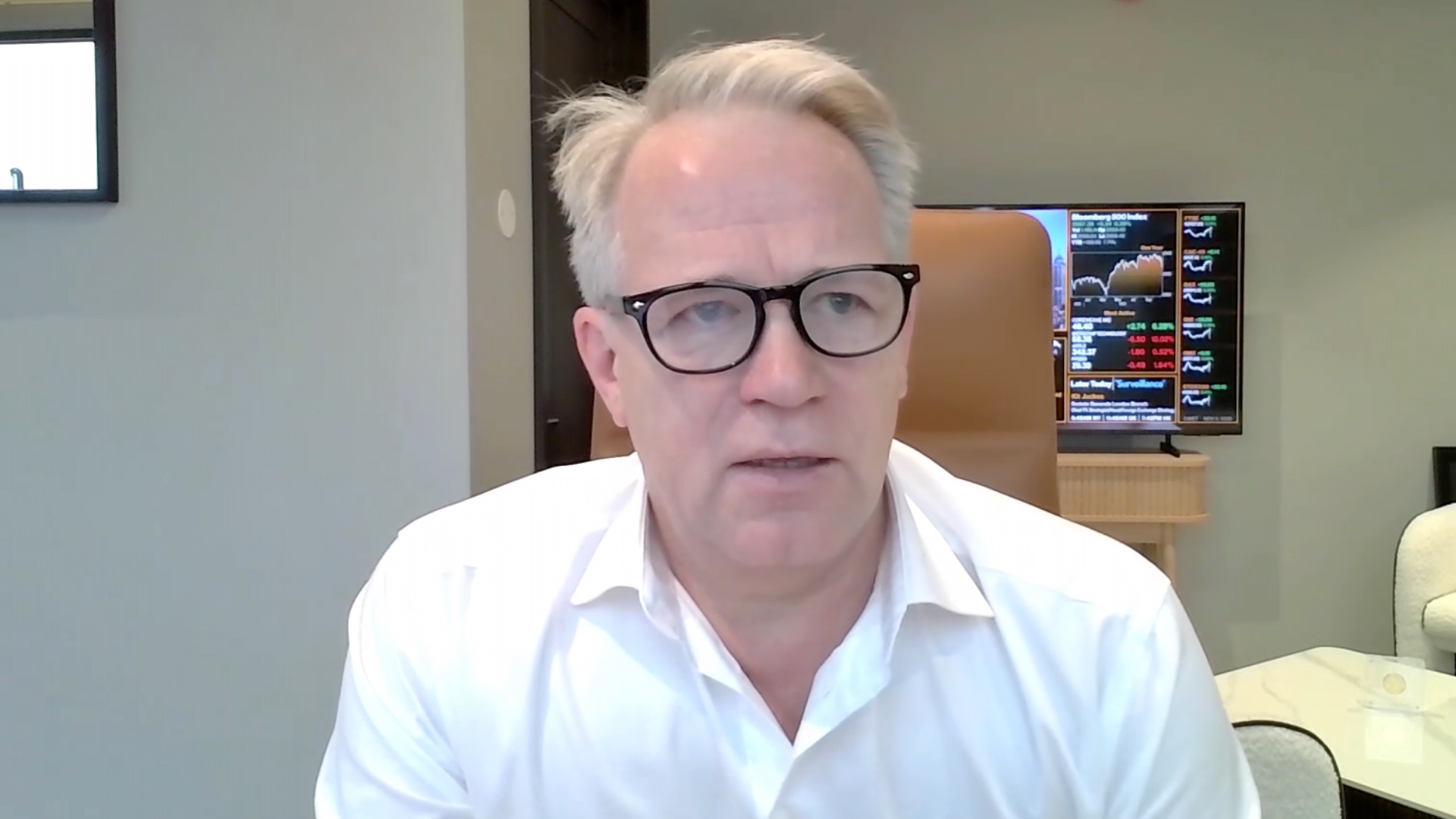
Photo: Alexander Hagen, chief executive of Ace Digital.
Alexander Hagen, chief executive of Ace Digital, was interviewed on video by Morten Myrstad for Kaupr TV. In the conversation – and in a post on X – he shares how the fund he manages, Ace Fund, has performed over the past twelve months. The fund invests in other bitcoin companies that hold bitcoin on their balance sheet (often called bitcoin treasury companies), using derivatives strategies to manage exposure – his speciality.
The video: Alexander Hagen, chief executive of Ace Digital, in conversation with Morten Myrstad on Kaupr TV.
The fund has never used leverage and has never held short positions, yet over twelve months it has returned more than 20% in net dollar terms, while bitcoin fell around 30% over the same period, Hagen says in the interview. In a post on X, he gives more precise figures: 22% in dollar returns and an implied growth against bitcoin of 71%, against a 29% decline in bitcoin over the same period. The fund is, incidentally, closed to new external investors.
The strategy is to study each company’s capital structure in depth and assess what management actually understands and wants to achieve. That also lets the fund copy approaches that work at the companies it follows.
When the European wave of bitcoin companies took off around April 2025, many traded at five, seven or even higher multiples of their net bitcoin value. That ended when bitcoin hit its all-time high in October 2025: as the underlying bitcoin value rose, the multiples fell instead, according to Hagen. That, he says, explains what happened to most of these companies.
– You can’t just own bitcoin, buy bitcoin and fold your hands and wait for the price to rise. I think you can do a lot around the bitcoin itself, using the same derivatives strategies we do, to create the exposure we’ve promised shareholders – and be on the ride when, not if, bitcoin goes up, says Hagen.
One of the questions put to him in the interview was whether this approach builds on a long career in traditional finance and derivatives. Hagen confirms the strategy is being applied in a new area, and points out that several larger bitcoin companies are also moving into the same kind of active management.
Companies now trading at a discount to their net bitcoin value struggle to explain why, Hagen says. There is also no demand to buy the shares at higher multiples than the market already gives. The alternative is to buy back their own shares, but that shrinks the balance sheet at a time when most companies instead want to grow – and few think it is the right time to sell bitcoin to fund buybacks, as long as many still expect bitcoin to reach $1 million.
Hagen points to digital credit as the industry’s latest strategy trend, started by Strive last year and now followed by several others. It is a product that resembles derivatives and is closely tied to high interest rates and the credit market. According to Hagen, European and Nordic companies, including Capital B and SmarterWeb, are also working on adopting digital credit, but have to wait for the bigger players to move first.
Hagen has recently visited both Amsterdam and New York. In Amsterdam, conversations centred mostly on regulation and the European market, while New York was marked by more innovation and new products. Europe is behind the US on bitcoin companies too, he says. The fund’s own strategy is to stick to the most liquid shares, precisely because liquidity is a real risk in a still-small European market.
Sources: Ace Digital
You have read what you can read for free. With an account you get unlimited access to all news and articles on kaupr.io — and become part of the network of investors, professionals and builders following onchain finance.
