
Fewer companies working with blockchain are considering leaving Sweden, even though many are experiencing a slowdown in their own business development and continued strained relations with banks and regulators.
This is shown by Blockchain Sweden's industry report for 2025, which was presented in Stockholm on Tuesday.
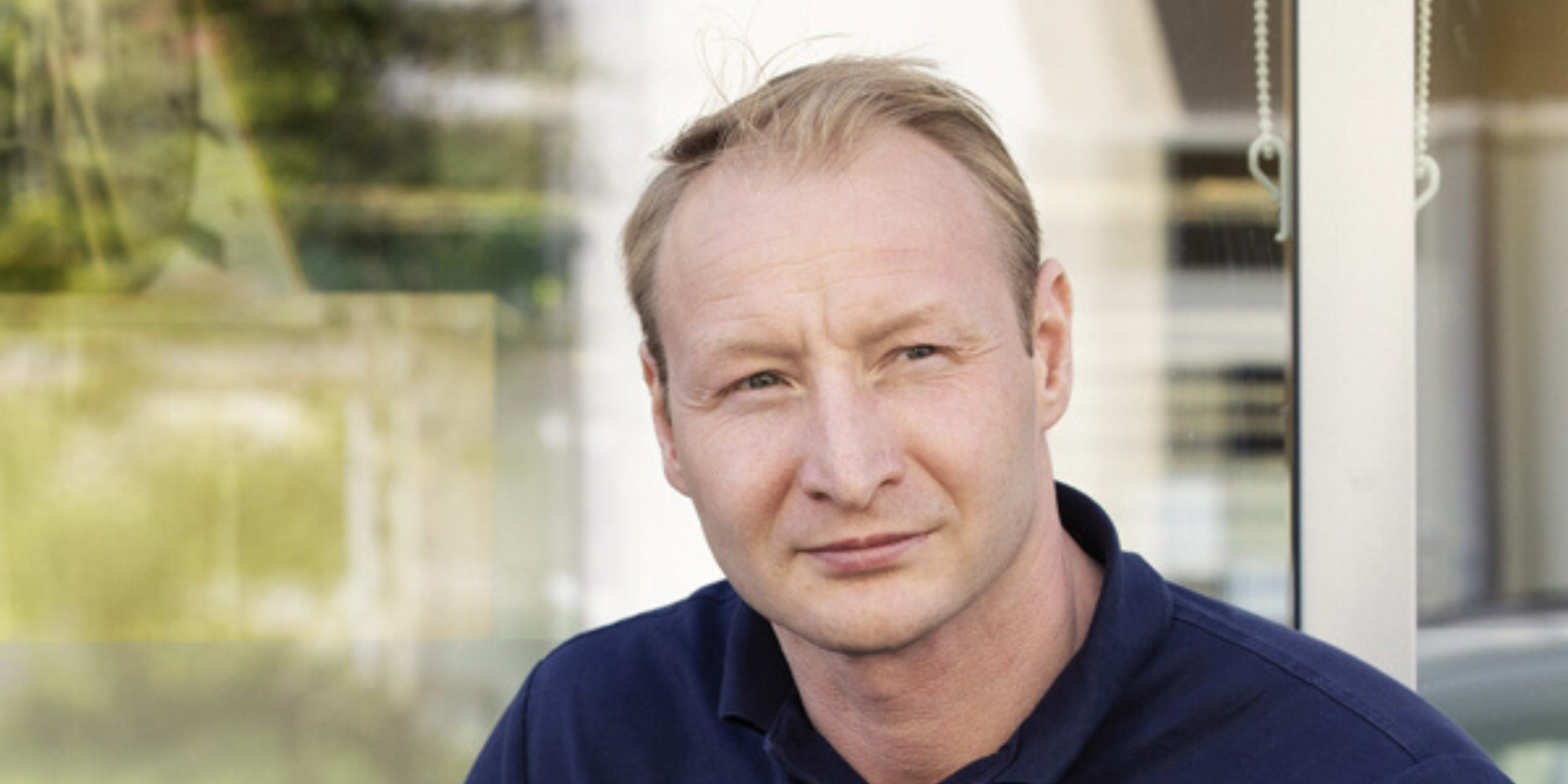
“The industry sees that dialogue with established financial players and decision-makers has improved, although this has not yet fully led to better conditions for individual companies,” says Pehr Granfalk (pictured), Secretary General of Blockchain Sweden.
Compared to the previous year, the food climate is perceived as somewhat better, thanks to increased understanding of the technology among consumers, academia and policy makers.
The proportion of companies considering moving their business out of the country has declined sharply - from 84 to 50 percent.
At the same time, concern related to crime and security has waned, which, according to the industry, contributes to a better business climate.
This year's report also shows clear signs of increased institutional interest in blockchain. Internationally, the technology is increasingly being adopted by banks and capital market players, and in Sweden too there is a shift in attitude — from waiting to willing to understand and consider concrete applications.
SEB's participation in the European stablecoin consortium Qivalis is highlighted as the clearest signal change of the year.
In terms of future trends, the industry sees a clear shift: the focus is no longer on consumer services, but on financial infrastructure and institutional use.
The areas singled out as the next major development steps are asset tokenization, digital capital markets and stablecoins as payment and liquidity infrastructure.
Among large Swedish companies such as Klarna and SEB, there is a clear interest in the latter.
Despite improvements in the overall climate, future assessments are more sobering than last year. Two main challenges remain: access to banking services - still the industry's biggest obstacle - as well as Sweden's application of MICA regulations, which is perceived as more costly and complex than in several other EU countries.
“The difference from the past is that the discussion is now more about how The technology should be used, and not whether It should be found, concludes Granfalk.
You have read what you can read for free. With an account you get unlimited access to all news and articles on kaupr.io — and become part of the network of investors, professionals and builders following onchain finance.

