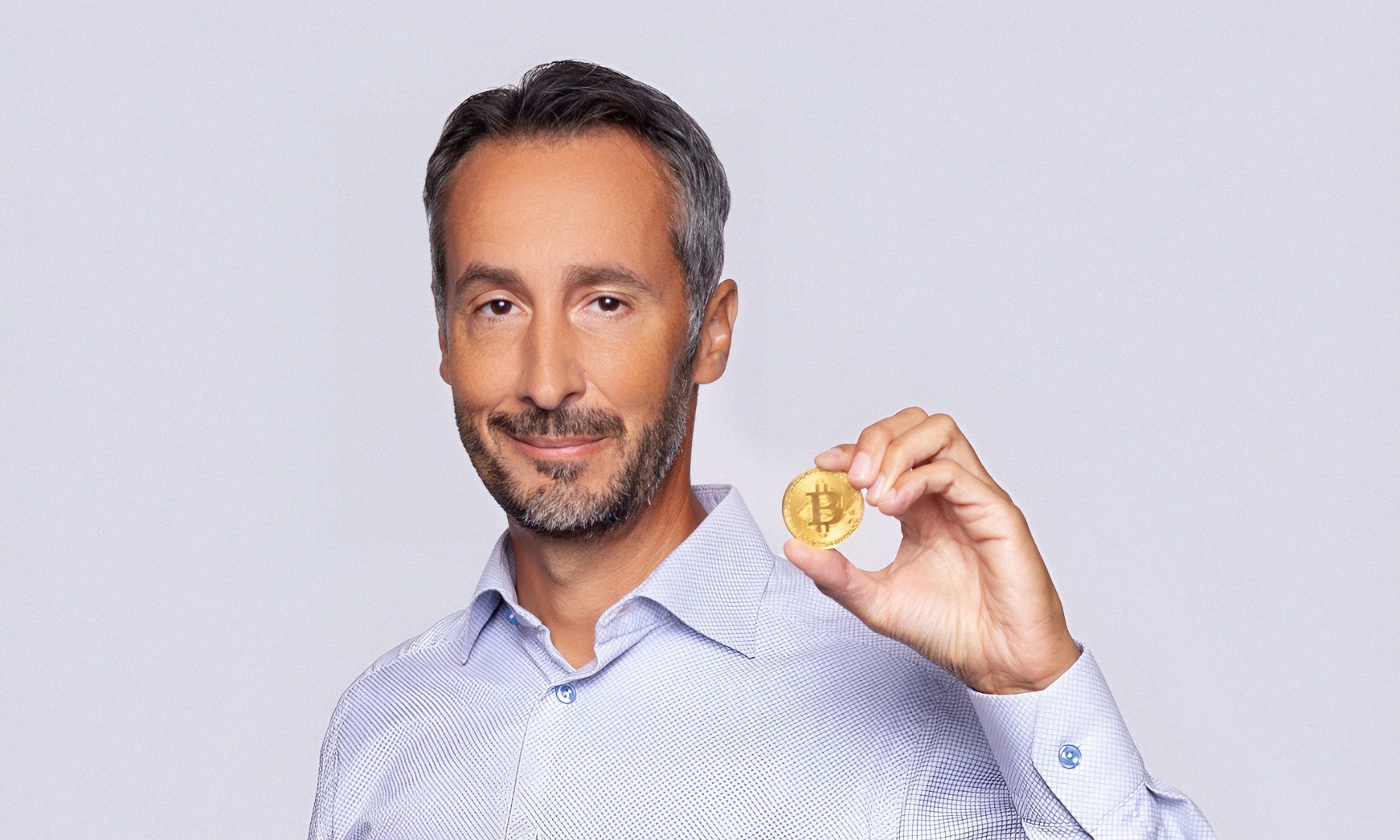
Charles Schwab is launching direct Bitcoin and Ethereum trading for its 39 million customers in a phased rollout beginning in the second quarter of 2026.
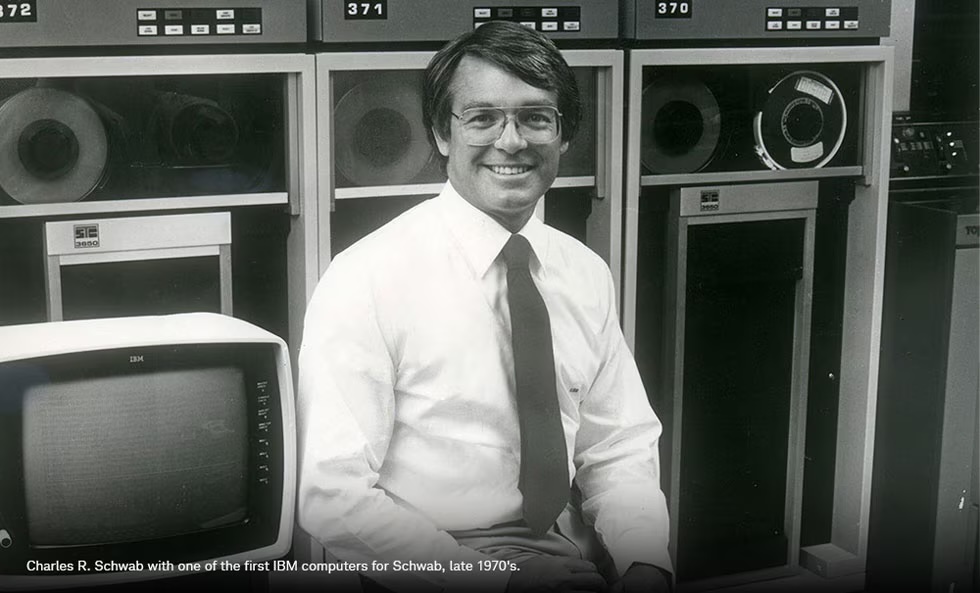
With $12.2 trillion in assets under management, Schwab is one of the largest brokerages in the United States – larger than the entire economy of many countries. Its move into direct crypto trading is not an incidental product expansion. It is a signal that Bitcoin and Ethereum have crossed a threshold: they are now considered stable enough to be offered to Schwab's broad and traditionally conservative customer base.
Disclaimer: The image is sourced from Charles Schwab's own website.
The offering, branded Schwab Crypto and operated through Charles Schwab Premier Bank, SSB, marks a structural departure from the firm's prior crypto model, which routed clients through ETFs, futures, and crypto-adjacent equities. Schwab is now testing whether direct digital asset ownership can integrate into the workflow of a mainstream brokerage customer at scale – and whether that integration generates demand that reshapes competitive dynamics across the retail brokerage industry.
The firm's website states: «Gain early access to the Schwab Crypto account, offered by Charles Schwab Premier Bank, SSB – your new gateway to buy and sell Bitcoin and Ethereum cryptocurrencies.»
Schwab Crypto does not live inside the existing brokerage account. Qualifying clients will access Bitcoin and Ethereum trading through a dedicated account tied to the firm's affiliated banking subsidiary – a structural boundary that separates crypto holdings from the stocks, bonds, and ETFs clients already hold under SIPC coverage. Crypto assets held through the new product carry neither SIPC nor FDIC protection, a disclosure Schwab is making explicit in its rollout materials.
The pilot begins narrowly: first with Schwab employees, then with a small early-access group drawn from a waitlist currently open on the firm's crypto page, before broadening through the remainder of the first half of 2026. Geographically, the product is available across all U.S. states except New York and Louisiana.
The feature set is intentionally thin. Schwab currently accepts no external crypto deposits and does not support withdrawals to self-custody wallets, staking, recurring purchases, or limit orders – capabilities that distinguish native crypto platforms from this initial brokerage integration. Pricing and fee structure have not been publicly disclosed ahead of the pilot.
That is a deliberate choice. Schwab is not competing with Coinbase on feature depth. The firm is testing whether mere availability – direct ownership inside a familiar brokerage interface, for clients who already trust Schwab with their retirement savings – generates measurable demand distinct from what ETF flows have already revealed.
Tomi Dunleavy, head of venture at Varys Capital, argues that Schwab's entry will bring net new buyers into the crypto market. Schwab's client base consists largely of traditional savers and retirement investors who have had little easy access to cryptocurrency. When these clients can buy Bitcoin alongside equities and pension accounts on a single platform, it could channel capital that has never previously entered the crypto ecosystem.
For Coinbase, Robinhood, and other established crypto platforms, Schwab's entry is a direct competitive threat – not primarily on features, but on integration. An investor who already holds a retirement account, equity portfolio, and bank account with Schwab has little reason to maintain a separate relationship with a standalone crypto exchange. Schwab has done this before: in 2019 the firm drove equity trading commissions to zero, forcing the entire industry to follow. If it applies similar pricing pressure to crypto trading, it could trigger severe margin compression across a sector already defined by intense competition.
What Charles Schwab has offered until now is the same range of regulated products that Nordic banks such as DNB, Danske Bank, and Nordea have cautiously made available to their retail customers – ETFs, ETPs, and ETNs that provide exposure to crypto without the customer owning the underlying asset. Schwab's shift to direct trading and ownership is therefore not just an American story. It raises a question that will sooner or later arise in the Nordic market as well: when will the major banks stop packaging crypto in regulated wrappers and start offering customers direct trading and ownership?
You have read what you can read for free. With an account you get unlimited access to all news and articles on kaupr.io — and become part of the network of investors, professionals and builders following onchain finance.