Bitcoin has become a mainstream portfolio asset, exchanges on both sides are tokenising each other's turf, and banks split between stablecoins and tokenised deposits. Kaupr Weekly's Morten Myrstad counts ten movements converging at once.

Kaupr Weekly is a short podcast with Morten Myrstad on the long-term trends in onchain finance, fintech, stablecoins and the future of payments.
Trends that used to run on separate tracks are now colliding, argues Morten Myrstad, founder and editor of Kaupr, in the latest episode of Kaupr Weekly. He counts ten of them, and groups them into four fronts: bitcoin itself, the exchanges, the banks, and the machines. One example stands in for the clock already running: DTCC, the clearing house behind American stock settlement, holds trillions of dollars in custody and has this year moved tokenised stocks out of pilot and into full production.
Two of the ten movements sit in bitcoin itself: investors holding it directly, and buying it indirectly through listed companies that hold it for them. Two out of three wealthy investors across seven countries now hold crypto, at roughly ten percent of their portfolio — the same weight as private equity — and Morgan Stanley has launched a bitcoin fund to meet that demand. The indirect route runs through treasury companies: H100, the largest in the Nordics, carries around 3,500 bitcoin, while in the US, Lyn Alden's new firm Orange Juice buys profitable small businesses and funnels their cash flow into a bitcoin reserve with no fixed exit — a direct challenge to private equity's usual cycle.
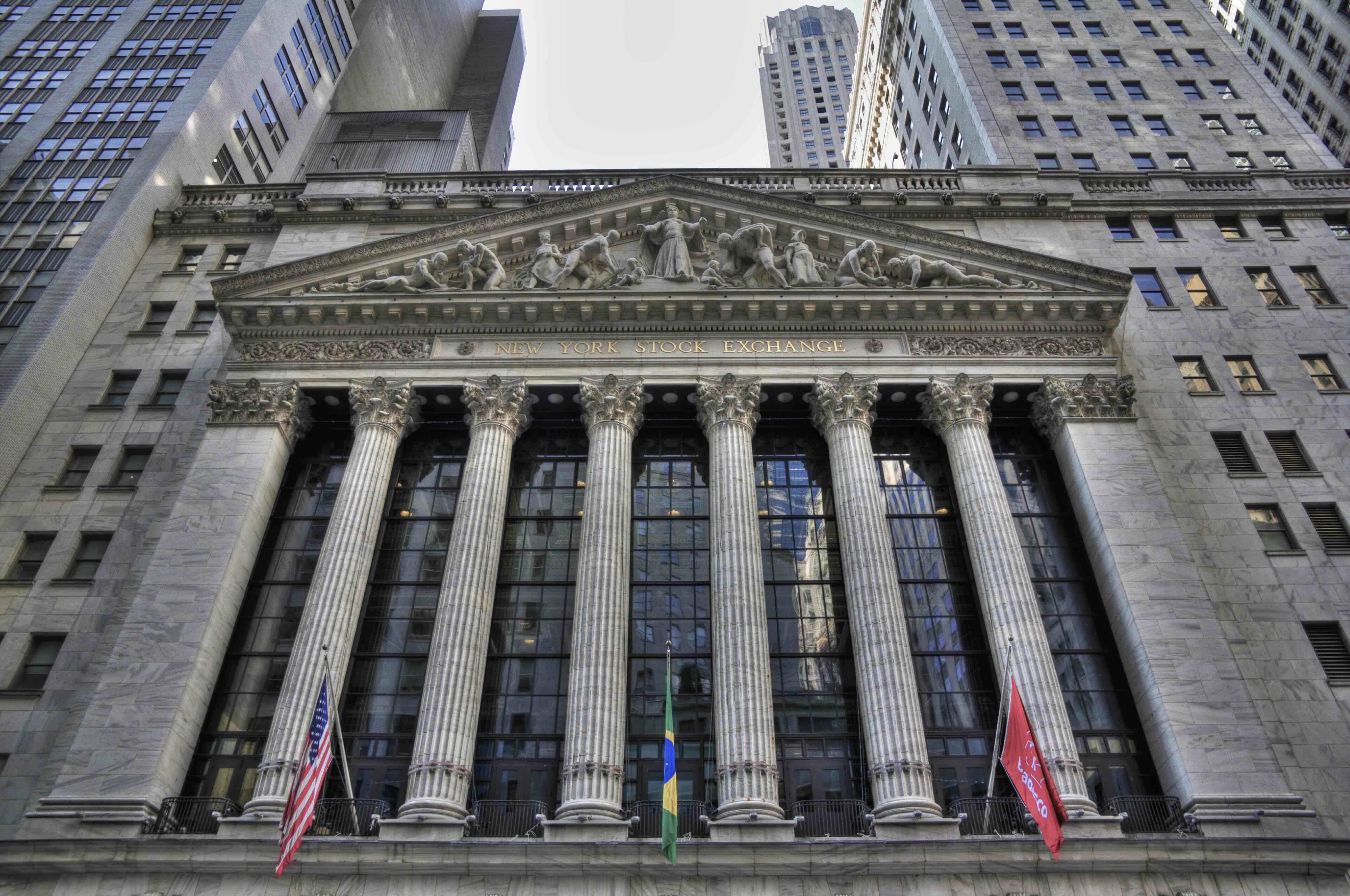
Two more movements are playing out in opposite directions at the same time. Crypto platforms are turning into "everything exchanges": Coinbase trades stocks, funds, options and prediction markets alongside crypto, and Hyperliquid now trades more in stocks, oil and silver in a single week than in every crypto category combined. Traditional exchanges are moving the other way, tokenising the very rails they are built on. DTCC has taken tokenised shares in JPMorgan, Microsoft and Circle from pilot to full production, and the New York Stock Exchange's parent ICE is going further still with a joint venture with crypto exchange OKX. Newcomers and incumbents, in other words, converging on the same ground from opposite ends.
Three movements run through money itself. The first is that stablecoins have already won the plumbing: Tether's USDT dominates emerging markets, Circle's USDC the West, and the card networks that were expected to be disrupted by them instead joined them — Mastercard bought BVNK, and Visa's own stablecoin settlement has reached seven billion dollars a year. The second is that Europe's banks are not converging on one answer but splitting into two camps: thirty-seven banks back Qivalis, a regulated euro stablecoin, while DNB has bet on tokenised deposits instead, planning a test with Commerzbank, UniCredit and BNP Paribas. The third follows from both: once money moves onchain, the security itself has to settle at the same moment, which is the problem the European Central Bank's Pontes system and Swift's shared ledger with Chainlink are each now built to solve.
The last three movements belong to the machines. The internet is getting a native way to pay: the HTTP status code 402, reserved for payments since the early 1990s but unused for thirty years, now settles real transactions through the protocol x402, which Coinbase has handed to the Linux Foundation to run as an open standard. Computing power is turning into a tradeable asset in its own right, with BlackRock betting that agents will be the ones buying it. And DeFi is growing back up underneath both, with Nordic founders — Stani Kulechov at Aave, Rune Christensen at Sky — behind two of its biggest platforms.
Institutional bitcoin and treasury companies, everything-exchanges and tokenising incumbents, stablecoins and the bank split, settlement, and the machines' own payment layer: ten threads, pulling toward one convergence.
Ten movements, not one convergence but many. What they share is simple: old finance and new, money and technology, are overlapping in more places than anyone expected. That means no one can afford to manage one vertical, or one industry, in isolation from everything else anymore.
Stocks are tokenizing fastest, because the paperwork was already digital. Banks are moving carefully, because deposits are not just numbers — they're trust built over centuries.
And underneath both, the agents are starting to spend on their own.
Sources: Kaupr Weekly, Kaupr
Du har læst det, du kan læse gratis. Med en konto får du ubegrænset adgang til alle nyheder og artikler på kaupr.io — og bliver en del af netværket af investorer, professionelle og builders, der følger onchain finance.