Following Binance’s suspension of services for EU/EEA customers due to the MiCA deadline, 70 percent of withdrawals ended up in self-custody wallets, according to CEO Richard Teng. Meanwhile, Binance awaits a new MiCA license and is in talks with regulators.
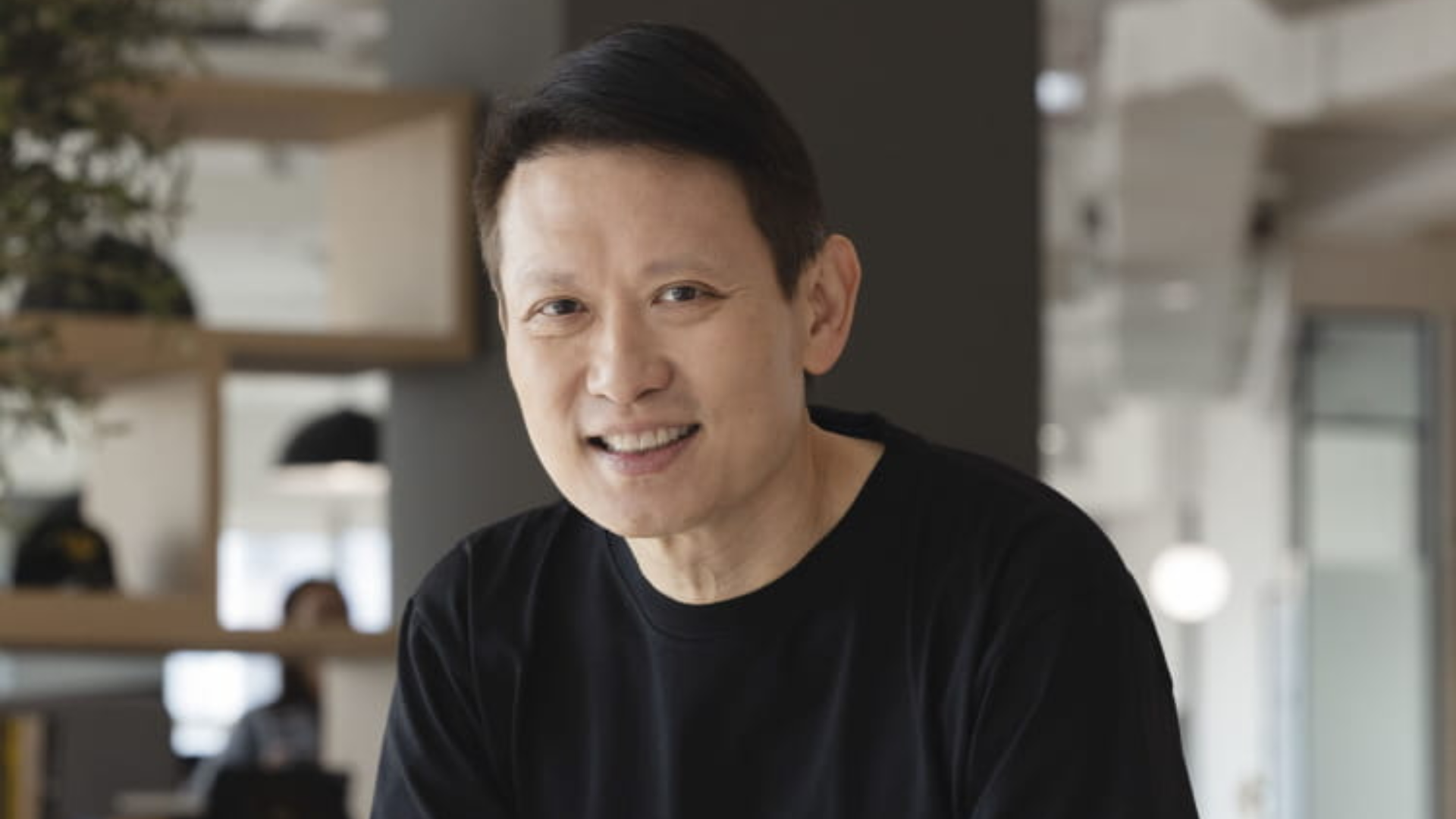
Richard Teng is the CEO of Binance (pictured).
The MiCA (Markets in Crypto-Assets) regulatory framework fully entered into force in the EU/EEA with a transition deadline of July 1 this year, aiming to ensure that crypto users trade on licensed, supervised platforms rather than unregulated services.
For Nordic financial players who have closely followed the regional wave of MiCA licensing, the Binance case serves as an early signal of what happens when a global giant exits the regulated landscape — and how easily users can be recaptured if the player eventually returns with a license in hand.
According to figures presented by Binance CEO Richard Teng during the Reuters NEXT Asia summit in Singapore, 70 percent of the funds withdrawn by European users following the service halt went to self-custody wallets. Only 30 percent ended up on MiCA-regulated platforms.
Teng questioned whether this development undermines the very purpose of the regulations. Funds in self-custody wallets fall outside the supervision, anti-money laundering (AML) controls, and Know Your Customer (KYC) processes that apply to regulated exchanges.
"Does MiCA then achieve its objective of minimizing user risk? Because once funds flow into a self-custody wallet, the risk actually increases," Teng said.
Binance suspended services for affected EU/EEA customers after withdrawing its MiCA application with the Greek regulator, HCMC, shortly before the July 1 transition deadline.
In an op-ed published by CoinDesk, Teng wrote that Binance had cooperated constructively with HCMC over several months, and that the company’s understanding was that the application was deemed complete and compliant with MiCA requirements — yet no formal decision was issued before the transition period expired.
Speaking to Reuters, Teng elaborated that the delay caught the company by surprise. "It surprised us," he said, adding that regulators themselves had reportedly confirmed that the application was fully compliant and on track for approval. According to Teng, Binance remains unclear on why the approval was withheld. The decision to withdraw the application was made to prevent customers from being left with an extremely short transition window.
Binance founder Changpeng Zhao told The Block in June that the application had been close to approval before what he described as "political forces" intervened.
In his CoinDesk op-ed, Teng stressed that Binance has not given up on the European market.
Teng told Reuters that Binance is in close discussions with regulators who have actively invited the company to apply for licensing under their regimes. While he declined to name the specific countries, he emphasized that Binance continues to work closely with regulators across the EU/EEA.
At the same time, the company is looking toward Asia, where Teng said Binance plans an aggressive licensing push to build on its existing approvals in countries like Japan, South Korea, and Thailand.
The breakdown between self-custody and competing platforms has an implication that is easy to overlook: where the funds are held affects how easily they can be recaptured.
Had the majority of withdrawals gone to a competing MiCA-regulated exchange, users would effectively be locked into that new platform — making the switching cost to return to Binance much higher. With 70 percent residing in self-custody, non-custodial wallets, these funds are not tied to any rival. They remain parked, ready to be moved wherever the user chooses.
This means the 70/30 split is not just a snapshot of temporary hesitation toward MiCA-regulated alternatives — it could also mean that Binance enjoys a wider window of opportunity to win back its former customers than if those funds had flowed to a competitor. Whether the company succeeds in securing a new MiCA license will likely determine how many of these self-custodied funds actually return.
Sources: The Block, CoinDesk, Reuters
Get unlimited access to news articles and a Nordic community via Kaupr Member (free membership)
You have read what you can read for free. With an account you get unlimited access to all news and articles on kaupr.io — and become part of the network of investors, professionals and builders following onchain finance.