
Walmart is beefing up its presence in crypto through fintech app OnePay, which now lets users trade and hold Bitcoin and Ether — bringing digital currencies closer to daily retail at the giant.
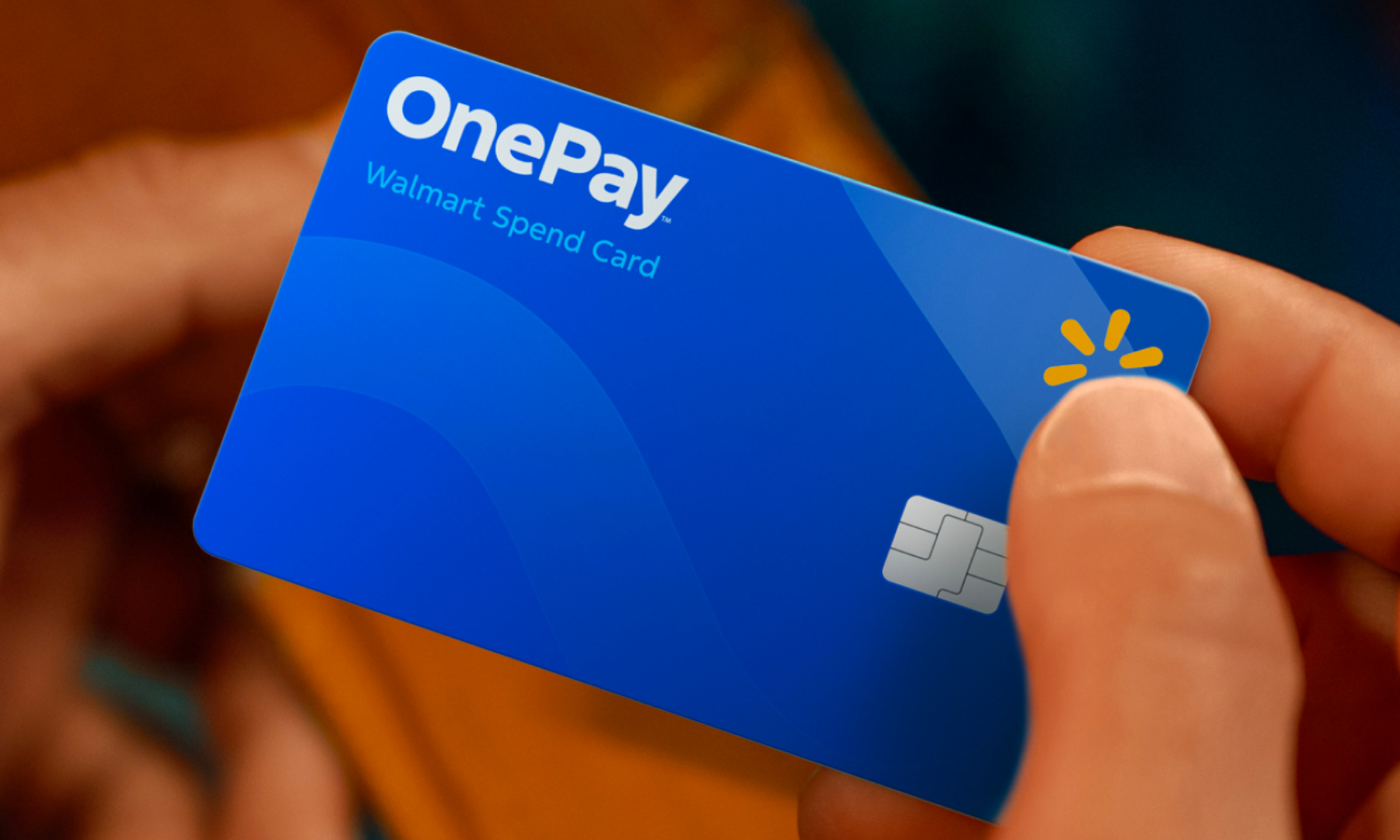
The new functionality enables millions of OnePay users to buy, hold and convert cryptocurrencies into cash that can be used for purchases at Walmart. While direct Bitcoin payment in Walmart stores or online remains unconfirmed for 2026, the app's new capabilities mark a crucial step toward connecting crypto use to everyday retail and signal a broader evolution in digital payments.
According to CNBC OnePay's launch brings Walmart in line with growing institutional crypto adoption among big-box retailers and e-commerce giants. The collaboration with infrastructure provider Zerohash sharpens competitive pressure on traditional payment providers, Nordic trade players, European banks and also rivals such as Amazon. With Walmart serving 150 million weekly customers and OnePay with over 1.5 million users, this rollout accelerates crypto's transition from niche pilots to everyday tools and could force established players to innovate or risk becoming irrelevant.
OnePay is positioning itself as an “all-in-one app” by combining mobile banking, loyalty benefits and now BTC/ETH trading. Evidence of the launch emerged via a short-lived published ZeroHash terms page on OnePay's website, which confirmed seamless crypto-to-fiat conversions for Walmart card payments or in-app use. OnePay is thus becoming a natural part of digital payments, where users can replenish wallets instantly and redeem value at checkout, strengthening loyalty programs in the face of growing demand for digital assets. Regulation-adapted features ensure accessibility and target the retail giant's broad customer spects.
This development heralds potential expansions in 2026, such as direct Bitcoin payments for select online and in-store purchases, which could make crypto a natural part of digital payments. It underscores Walmart's strategy of diversifying payments and retaining customers in a Web3 era, though full integration depends on regulatory clarity and technological scale. As tokenized assets and DeFi gain ground, Walmart's course puts pressure on global trading players to adapt, signals crypto's shift from investment to default for payments, and makes it natural to keep up with competitive responses from banks and fintech companies.
You have read what you can read for free. With an account you get unlimited access to all news and articles on kaupr.io — and become part of the network of investors, professionals and builders following onchain finance.