

With a new tokenization platform, Polymarket data and an equity stake in OKX, the New York Stock Exchange is putting in place a connected, around‑the‑clock layer for digital assets beneath Wall Street
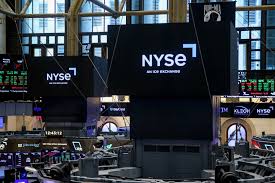
For Nordic investors, the New York Stock Exchange (NYSE) is the visible face of U.S. equity markets, but behind the venue sits a larger infrastructure stack. In recent months, the ecosystem around NYSE has taken clear steps beyond isolated pilots to concrete announcements: in January the exchange unveiled its own platform for tokenized securities, in February it launched a new Polymarket tool for institutional data, and this week it emerged that the parent company is buying into the crypto exchange OKX. Taken together, these moves link traditional securities, prediction markets and crypto exchanges into what could become a 24/7 tokenized infrastructure beneath public equity markets.
The New York Stock Exchange is building a 24-hour platform for tokenized securities. In a press release on January 18, the exchange announced plans for a new trading venue for tokenized stocks and ETFs, where today's securities are given digital representations that can be traded around the clock. The new trading platform is designed for 24/7 trading in tokenized versions of listed U.S. stocks and mutual funds, with settlement occurring in minutes via tokenized capital and stablecoin-based funding, rather than the current T+1 cycle. The orders should be entered in dollar amounts rather than whole shares, so that fractional trading becomes a standard feature that lowers the threshold for building and rebalancing portfolios
Beneath the surface, the New York Stock Exchange's existing matching engine connects to a new post-trade layer on the blockchain, where settlement and custody can occur across multiple chains. The ambition is for both tokenized variants of current shares and securities issued directly as digital tokens to be able to be traded on the same platform, while ordinary shareholder rights to dividends and voting are safeguarded. For users, this should not be perceived as a separate crypto exchange, but as an upgraded version of the New York Stock Exchange that extends into a 24-hour, on‑chain environment
Polymarket is now turning prediction markets into institutional signals. On February 11, ICE, the parent company of the New York Stock Exchange, launched “Polymarket Signals and Sentiment” — a tool that turns Polymarket contracts into a standardized data product for professional investors. By packing implicit probabilities for everything from election outcomes to macro decisions into market data streams, institutional players gain a new signal layer alongside traditional price and volume metrics
Global crypto exchange OKX can provide a bridge between NYSE tokenization and crypto liquidity. On March 5, Fortune and other media reported that the parent company of the New York Stock Exchange is taking a strategic stake in crypto exchange OKX, priced at around $25 billion. With the investment and a board seat at OKX, the exchange environment not only gains financial exposure, but also a direct link to a large global crypto ecosystem — and plans to allow OKX clients to trade tokenized NYSE stocks and derivatives once the platform is in place make the link between the two links explicit
At the same time, the environment around the New York Stock Exchange gets access to real-time price data on cryptocurrencies that can be used in their own products and indices. Instead of trying to pull all the crypto activity onto a new, pure NYSE exchange, it's bridging to where the volumes are already. For Nordic investors using both traditional brokerages and global crypto exchanges, this may in the long run make the distinction between “crypto” and “Wall Street” less clear in practice — although regulation, settlement and responsibility still lie within the established structures.
Under the new surface layer, the Depository Trust & Clearing Corporation (DTCC) remains the central engine room for U.S. securities. DTCC's role as a central depository and settlement center allows tokenized shares to mirror existing securities 1:1, without having to move the owner books onto entirely new rails from day one. When DTCC gets the go-ahead to tokenize select stock indices and funds, they act as a gateway through which traditional securities can gain an on‑chain representation, while legal ownership and risk management remain in the systems the market is already built around
You have read what you can read for free. With an account you get unlimited access to all news and articles on kaupr.io — and become part of the network of investors, professionals and builders following onchain finance.