SEB, Danske Bank and eight other European banks are behind Qivalis, an Amsterdam-based euro stablecoin due to launch in 2026 and provide regulated, bank-driven on-chain payments in Europe's digital economy.
Qivalis is a euro-denominated stablecoin initiative run by a consortium of ten European banks, designed to be backed 1:1 by euros and issued under strict European supervision. The ambition is to combine the stability and trust of banks with programmability and 24/7 infrastructure on the blockchain for payments and settlements.
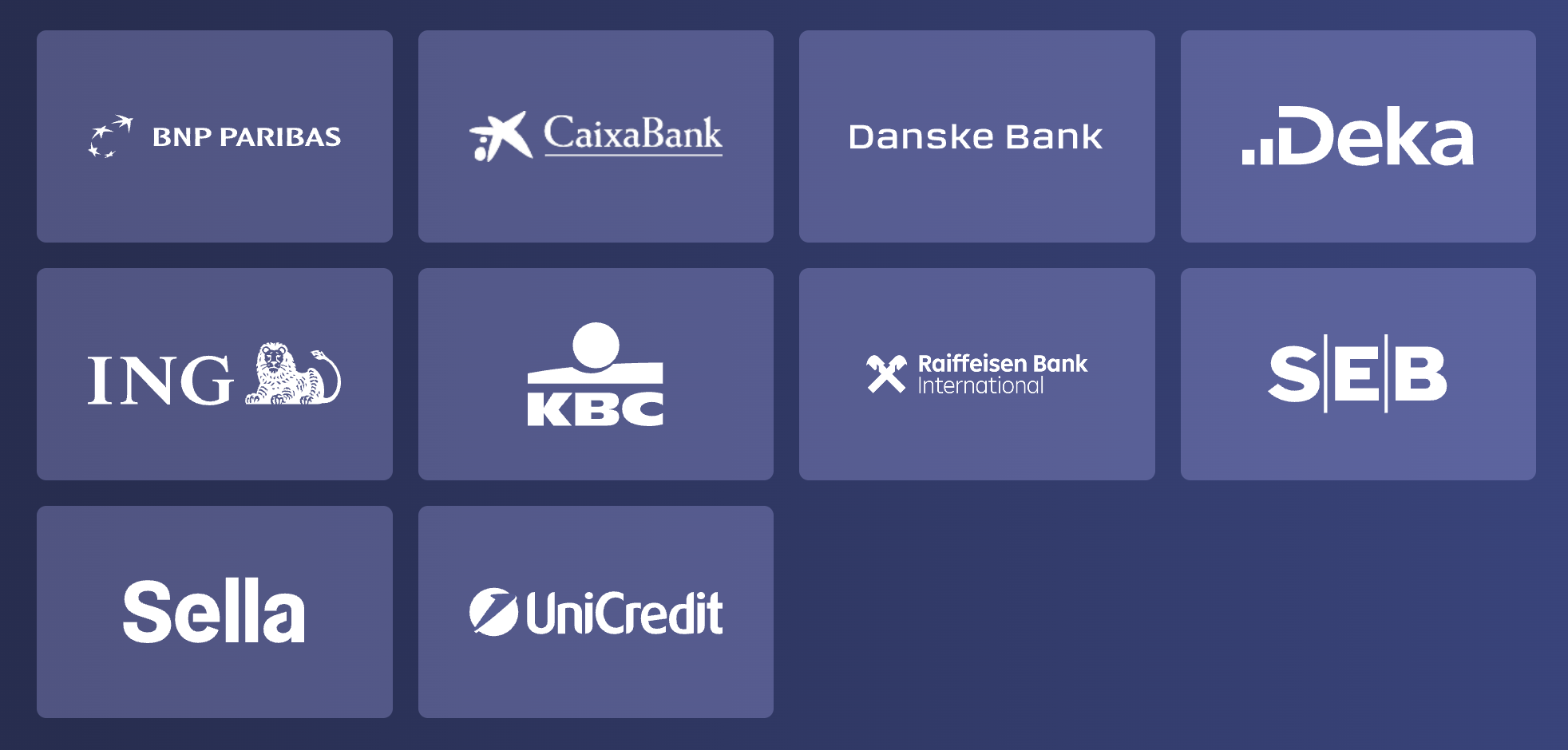
The open consortium includes SEB, Danske Bank, BNP Paribas, CaixaBank, DekaBank, ING, KBC, Raiffeisen Bank International, Banca Sella and UniCredit. Together, they will build a neutral, common digital euro infrastructure instead of each its own proprietary banking token.
Qivalis targets applications such as cross-border payments, programmable payments, and settlement of digital assets and tokenized securities. The aim is to become a safe euro-rail for trade, treasury and capital market transactions, both in traditional finance and Web3.
Headquartered in Amsterdam, the company is seeking a license as an electronic money institution with De Nederlandsche Bank in order to be fully aligned with EU regulations such as MiCar. Launch is scheduled for the second half of 2026, while the team is to be built up to around 45—50 employees over the next 18—24 months.
Jan-Oliver Sell, former head of Coinbase's German operations and a background in Binance, will become CEO of Qivalis. Former NatWest chairman Howard Davies becomes chairman, bringing the combination of heavy bank management and crypto-close expertise.
Banks are positioning Qivalis as a European answer to the dominance of US stablecoins and platforms in digital payments. By anchoring a euro-pegged stablecoin in European regulation and banking governance, they want to ensure European strategic autonomy in digital currency and payments.
You have read what you can read for free. With an account you get unlimited access to all news and articles on kaupr.io — and become part of the network of investors, professionals and builders following onchain finance.