
K33 posted 261 million SEK in revenue in the third quarter, up 35 percent from the previous quarter, while trading volume at K33 Markets rose 39 percent despite weaker global bitcoin volumes. The quarterly result came in positive at 19.9 million.
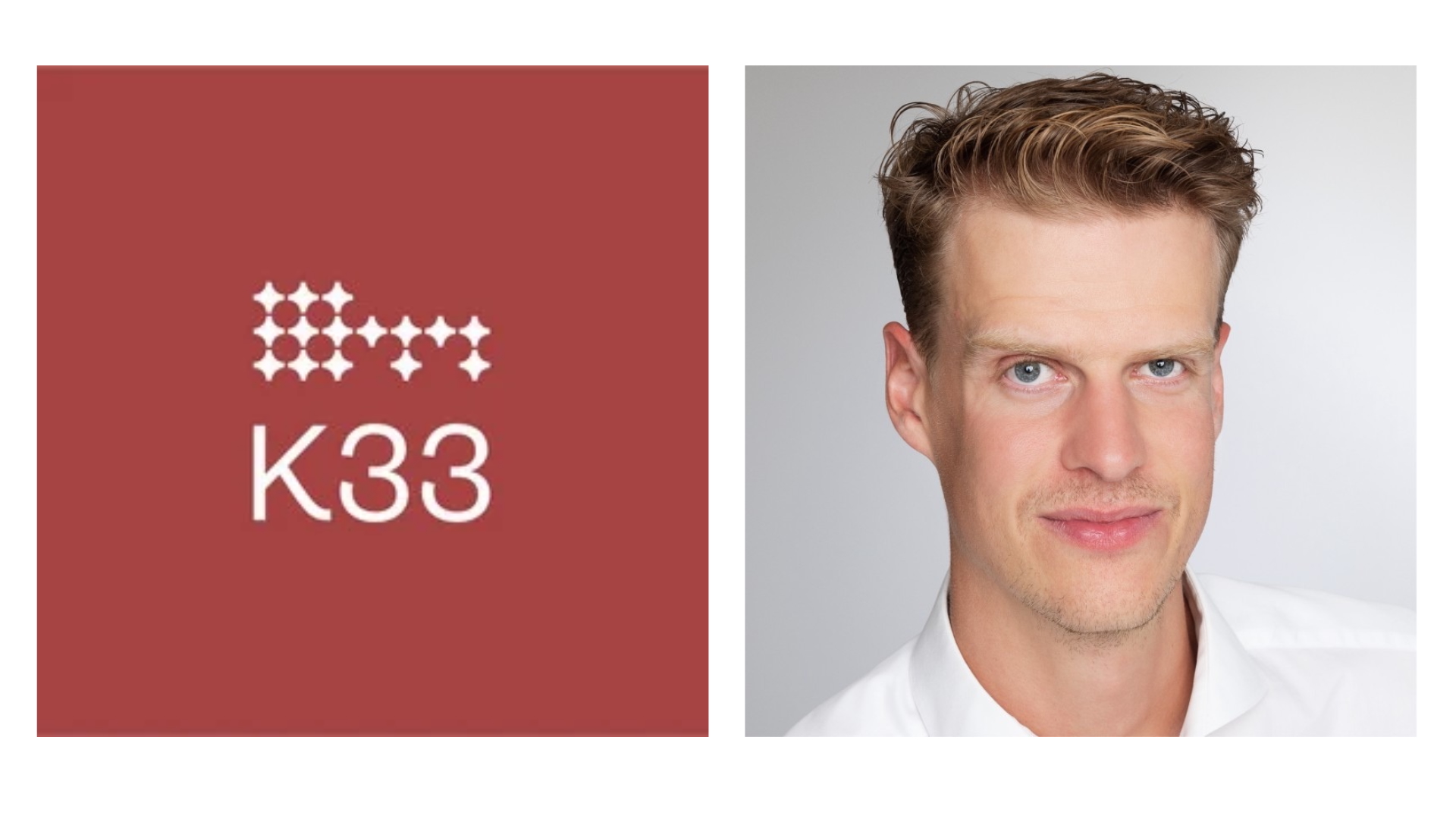
Photo: Torbjørn Bull Jenssen, CEO of K33.
2026 has been a tough year for the listed crypto company, marked by falling trading activity and a disappointing share price. The third quarter nonetheless showed improvement on several key measures, even as CEO Torbjørn Bull Jenssen stresses that the company is still some way from where it wants to be.
“Q3 brought a welcome improvement for K33. Trading volumes increased 39 percent from Q2, revenue grew 35 percent, and adjusted EBITDA improved, even as broader market activity declined. We are still some way from where we want to be, but the capabilities and relationships we have established give us a strong position to keep growing the business through the cycle,” writes Torbjørn Bull Jenssen, CEO of K33, in the report.
The picture has since turned: on the very day the report was released, the fourth quarter, and November in particular, had moved in a completely different direction from the strong third quarter, with the bitcoin price below 60,000 dollars.
Trading volume at K33 Markets rose 39 percent from the second to the third quarter, while global bitcoin spot volumes fell 12.6 percent over the same period, to the lowest quarterly level since the fourth quarter of 2023. Rolling twelve-month volume stood at around 1.74 billion kroner at quarter-end.
The rebound follows a weak second quarter, when K33 Markets' volume fell around 77 percent, more than double the decline in the global bitcoin market. Group revenue came in at 261 million SEK in the third quarter, up from 193 million in the second quarter, but down from 933 million in the same quarter last year, when trading activity was unusually high.
Adjusted EBITDA, which strips out non-cash valuation changes on the company's bitcoin holdings and employee option costs, improved to minus 1.7 million SEK from minus 4.6 million in the second quarter. The reported quarterly result nonetheless came in positive at 19.9 million SEK, mainly driven by non-cash reversals of previous impairments on the bitcoin holdings as the bitcoin price rose through the quarter.
Since most of the quarterly result came from reversed impairments tied to the bitcoin price, the continued price decline in the fourth quarter could produce new impairments in the next report. Jenssen writes in the report that prices have fallen again since the end of the quarter, which he says illustrates how the bitcoin exposure cuts both ways.
At quarter-end, K33 had total direct and indirect bitcoin exposure of around 219 BTC. Of this, the company held about 102 BTC directly, while the rest came through K33's 45.5 percent ownership stake in Sixty Six Capital, which itself holds 57.23 BTC directly and has a twelve-month call option on a further 200 BTC at a strike price of 100,000 dollars per bitcoin. The option provides potential upside exposure above the strike price but is not equivalent to direct bitcoin ownership.
In September, Finland's Coinmotion selected K33 as its institutional execution partner for trading. After quarter-end, K33 also expanded its management agreement with Sixty Six Capital, with the annual fee to K33 rising from 200,000 to 330,000 Canadian dollars. In November, the company entered a conditional agreement worth 13 million SEK with Reverion Capital, a deal Kaupr has covered in a separate article.
The Nordic crypto company K33 is listed on the Nasdaq First North Growth Market and runs crypto trading through the MiCA-authorised exchange K33 Markets, alongside custody, research and crypto-backed lending.
Sources: K33 AB (publ)
You have read what you can read for free. With an account you get unlimited access to all news and articles on kaupr.io — and become part of the network of investors, professionals and builders following onchain finance.