
Blockchain Sweden welcomes the tokenisation initiatives from Nasdaq and Finansinspektionen, and says Sweden has a unique opportunity to take a leading position in the development.
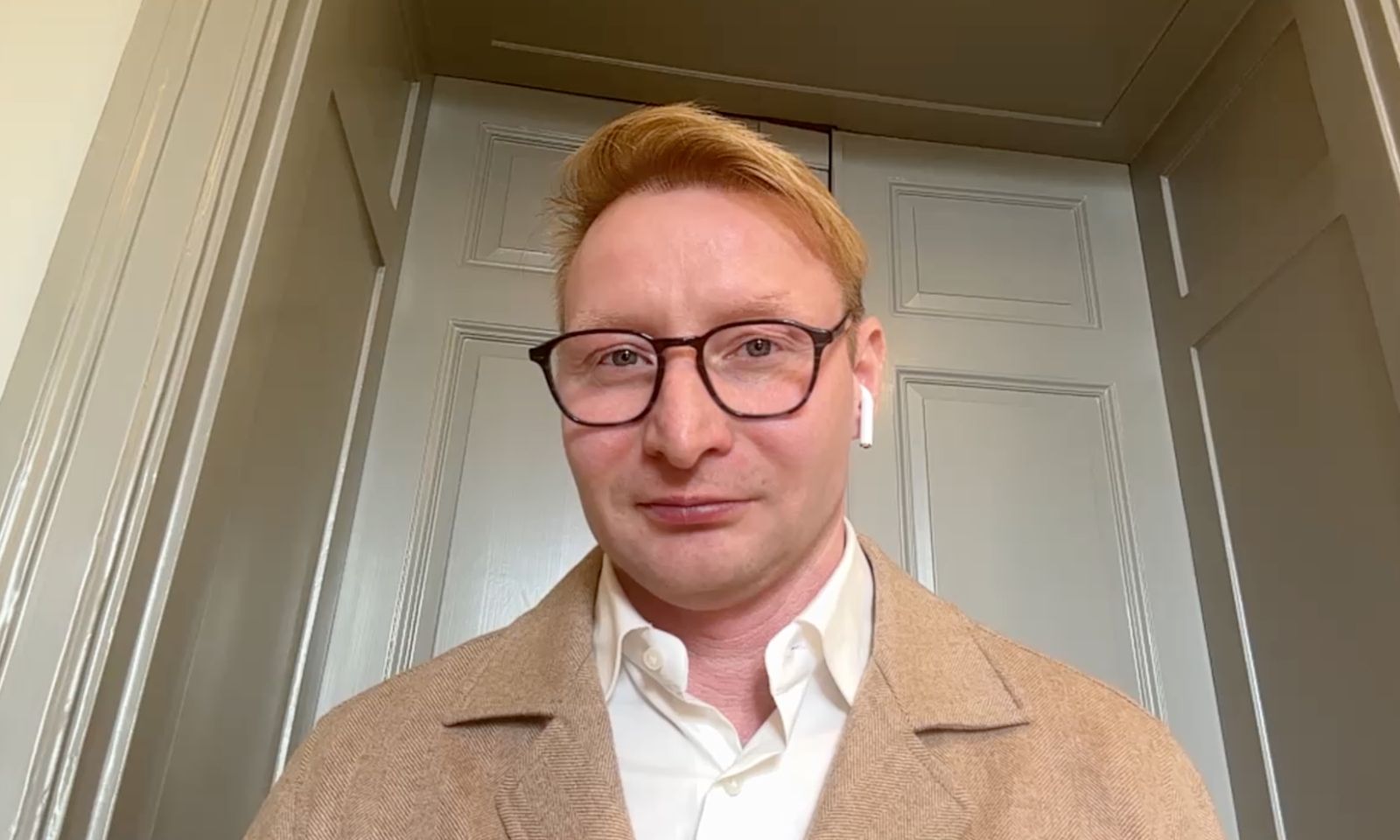
Photo: Pehr Granfalk, secretary general of Blockchain Sweden
Tokenisation means representing ownership of financial assets – such as shares, bonds or cash – digitally on a shared database, known as distributed ledger technology (DLT). The technology is meant to make trading and settlement faster and cheaper. This week, Nasdaq's Swedish subsidiary applied for a combined licence to trade and settle tokenised securities. A few weeks earlier, Finansinspektionen opened for input on tokenised money as part of its guidance work. Kaupr has obtained comments from the industry body Blockchain Sweden on both initiatives.
We at Blockchain Sweden are hugely pleased that the development of tokenisation of assets and money now genuinely seems to be gaining momentum in Sweden, Granfalk writes in a comment to Kaupr. He points to interest that has been growing for some time, both among the association's members and other players in the financial sector, and says that interest is now turning into concrete initiatives.
Granfalk highlights Nasdaq's initiative as a clear sign that tokenisation is becoming part of the established financial infrastructure. He argues that Sweden has a unique opportunity to position itself internationally and lead the development, given a strong financial sector, high digital maturity and an innovative business sector – but says the pace of development needs to increase to seize that opportunity.
Blockchain Sweden is particularly positive about Finansinspektionen's initiative on tokenised money. It is an issue the association has pushed for over a long period, Granfalk writes, and he is pleased the regulator is now taking concrete action in the area. Several members have already expressed interest in taking part and contributing their expertise and experience.
Granfalk points out that development is now happening in parallel across established financial institutions, regulators and innovative technology companies. Cooperation between these players is crucial to creating good conditions for a competitive Swedish market, he writes.
According to Granfalk, Sweden should not simply be a market that adapts to international developments in tokenisation – the country, he argues, has everything it takes to be among the countries leading it.
In September, Blockchain Sweden brought together around 30 participants – banks, infrastructure players, technology providers, advisers, entrepreneurs, lawyers and Finansinspektionen – for a roundtable at Eversheds Sutherland during Nordic Tech Week in Stockholm. The question on the table was ambitious: what would it take for one major Swedish financial institution to run tokenised securities in live production by the end of 2027 – not a pilot, but actual production. The concrete next step was to bring the question into Finansinspektionen's Innovationskompass and work further with a small group of market participants.
Hanna Raftell of Blockchain Sweden wrote after the roundtable that there is a growing recognition that Sweden and the Nordics are not at the forefront of the development: “Maybe we don't need to be. But we absolutely need to be prepared,” she wrote.
The initiative is now becoming concrete: Finansinspektionen has opened registration for a reference group on tokenised money, with 22 November as the deadline. The work will run across four to five workshops, looking among other things at how tokenised money should be classified, which rules apply, and how DLT-based solutions can work alongside existing payment and settlement systems.
Sources: Blockchain Sweden, Kaupr Invest
You have read what you can read for free. With an account you get unlimited access to all news and articles on kaupr.io — and become part of the network of investors, professionals and builders following onchain finance.